Slovakia is my Homeland
Firstly, we are going to talk just about general knowledge. Slovakia is located in the heart of
central Europe. It also shares its border with 5 other countries, that are Czech Republic, Poland,
Ukraine, Hungary and Austria. The area of Slovak republic is about 49 000 square kilometres and it
is home to more than 5 million people. It gained its independence in the year of 1993. Furthermore,
it is also part of some international organizations such as United Nation, European Union, NATO.
Political system in Slovakia is parliamentary-presidential republic. Citizens of Slovakian vote their
representatives into parliament. Also, they vote for their president. Capital city of Slovakia is Bratislava,
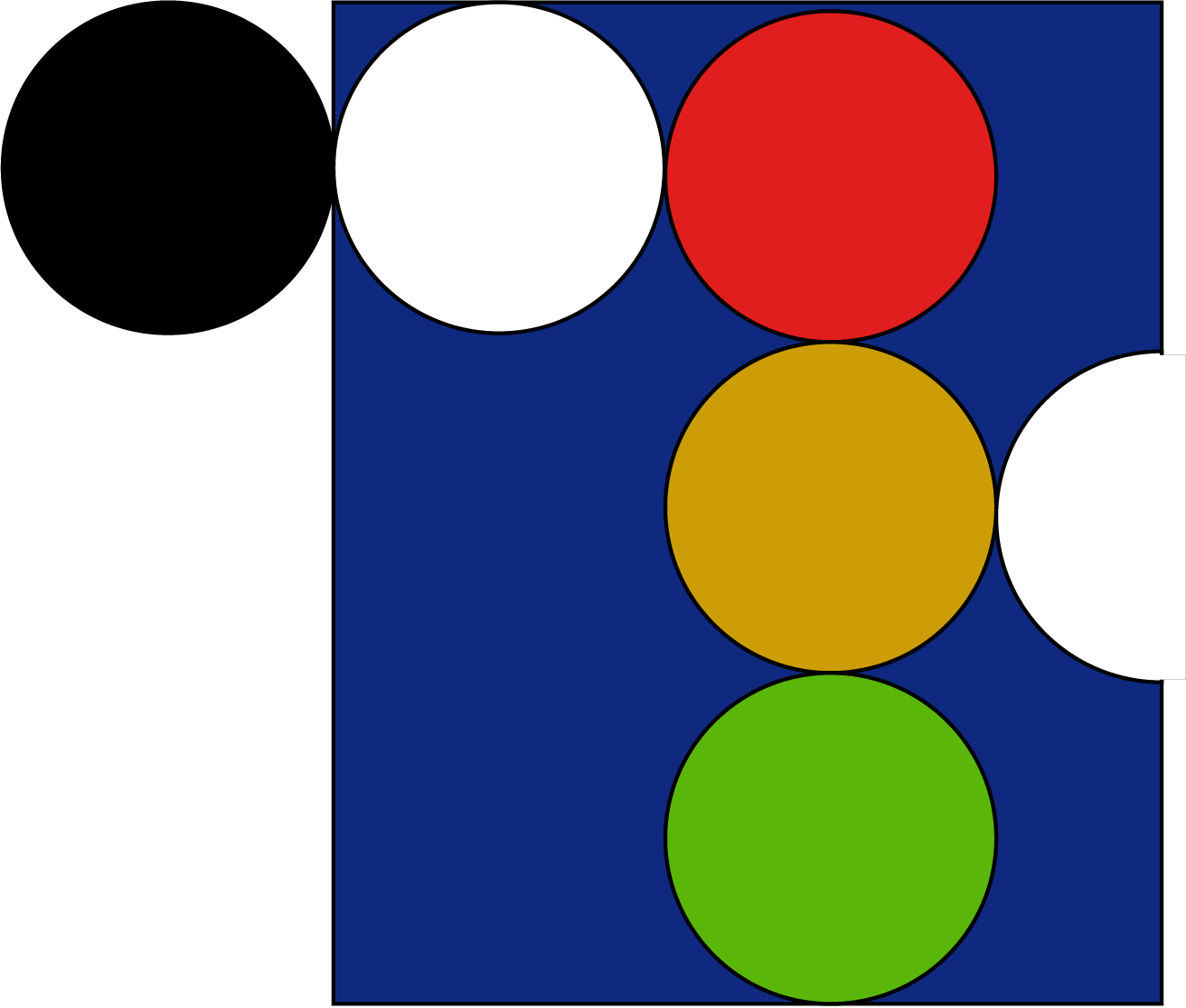
and it is located near the boarders with Austria. Slovakia has 4 states symbols, that are Slovakian flag,
Slovakian emblem, Slovakian seal and also Slovakian anthem. The Slovakian flag consists of three stripes,
white, blue and red, and the nation emblem that has red background with 3 blue mountains and white double
cross on top of them.
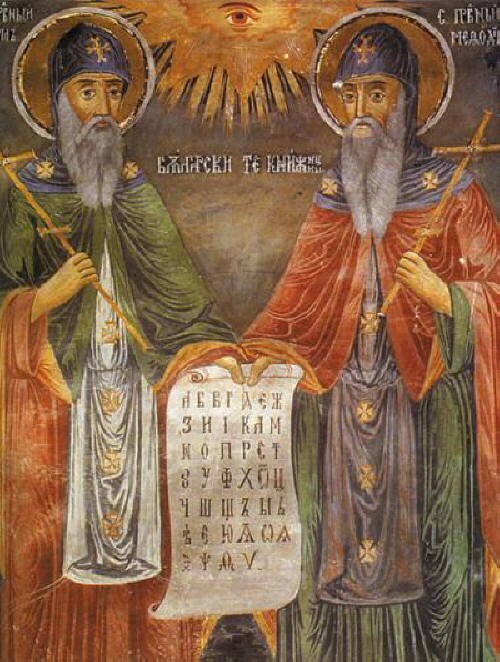
Now we are going to talk about some basic history of Slovak Republic. The first recorded convention on Slovakian
land was Samo’s Empire. After that there were two Kingdoms that were called Kingdom of Nitra and Kingdom of Morava.
After some time, these two kingdoms combined into one called Great Moravia. During this time two discipled called
Konštantín a Metod, came and brought Christianity and Glagolitic to the people. After Great Moravia ended new convention
formed called Hungarian Empire. This empire later combined into Austro-Hungarian Empire. Slovakia was part of this
empire until the end of WW1 when this empire collapsed, and Slovakia became part of Czechoslovakia. At the beginning
of WW2 Czechoslovakia collapsed and Slovakian Republic was formed. After the WW2 new Czecho-Slovakia was formed. This
nation remained till the end of 1992. In the begging of 1993, it split into two countries, Slovakian Republic and Czech Republic.
Another important thing we want to talk about is population of Slovakian. The majority of the population consist of
Slovaks, but there also some minorities. The biggest minority is Hungarian. This minority is located on the south of
Slovakia near the borders with Hungary. Another minority in Slovakia is Roma people, Ruthenians, Czech people,
Ukrainians and many more. Furthermore, it is also important to mention in our opinion that many Slovaks have many
prejudices against there minorities.
Slovakian traditions are mostly celebrated in villages. One of the traditions that is celebrated in Slovakia is
burning and drowning of “Morena”. This symbolizes the end of winter and coming of Spring. The most known holiday
celebrated in Slovakia is Easter. Our Easter is special in one way in comparison with UK celebrations of Easter.
On the Easter Monday boys and men goes around their hometown whit braided birch twigs and willow whips decorated
with ribbons, and whip girls and women with them. Also, they can pour water on them too. By doing this they are
believed to be giving them good health and luck in rest year. In Slovakia we don’t celebrate Halloween that much,
but instead of it we celebrate All Saints Day. We celebrate this holiday by going to cemeteries and light up
candles for our dead oved ones. Special parts of folklore also include special clothes called “kroj” with this
is also connected with our specially decorated folk hatchet called “valaška”. You can also check out the Maturita
topic called Multiculturalism where are even more holidays celebrated in Slovakia.
Slovakia is best known for mountain range that starts in this country called Carpathian Mountain range. Part of this
mountain ranges are Tatra mountains, Greater and Lesser Fatra. This mountain ranges also creates some lowlands
called Danubian Lowland and Eastern Slovak Lowland. The highest peak of the Tatra mountain range is “Gerlachovký Štít”,
which is also the highest peak of Carpathian Mountain range.
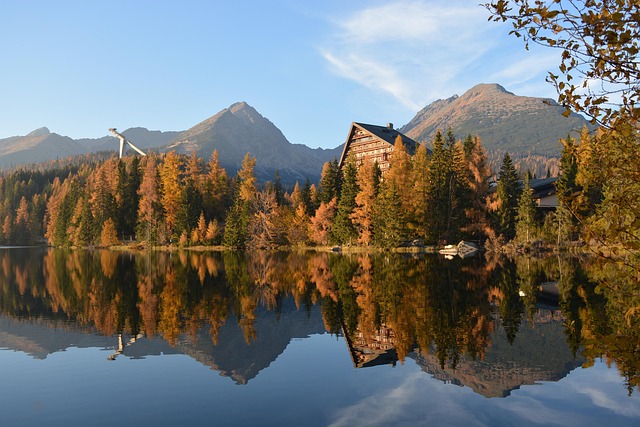
The best tourist places Slovakia can offer are often located in the already mentioned mountain ranges. Such as, many caves, one worth mentioning is “Dobšinská Ľadová jaskyňa”, also lakes, one of them is called “Štrbeské Pleso”. In winter the mountains also offer brilliant chance to go skiing and enjoy the breathtaking views. Slovakia can also offer many castles to visit. In fact Slovakia has the most castles per people in the world. Some of them are Bratislava Castle, Bojnice Castle, Oravský Castle, and many more. You can also mention your own favourite tourist attraction in Slovakia.
We also think it is really important to mention some important people from our country. From political field we picked
Milan Rastislav Štefánik, who helped to create Czechoslovakia, but was also a pilot and a general. From literature we
picked Ľudovít Štúr, because he helped to create Slovakian language, also from this field we picked Dominik Dán, because
he is a modern author of thrillers. From science field we think is important to mention Jozef Murgaš, who created wireless
telegraphy, and another inventor who is worth mentioning is Štefan Banič, because of the invention of parachute. From sport
we picked Jozef Adamec, Pavol Demitra and Petra Vlhová.
In this paragraph we are going to talk about some stereotypes of Slovaks. They are best known for being humble, friendly
and hospitable. But on the other hand, the stereotypical picture of typical Slovak person is that they drink a lot of
alcohol and also really like to gossip. This is especially common in villages, where everyone knows each other. In contrast
with their hospitality is that they are pretty envious also. They also like to underestimate themselves and like to adapt
foreign traditions because they are not proud of their own. This is also not true about every Slovakian, but it is true in
general. You can also have your own opinion on this topic and can also disagree with us on this topic.
Among young people it is becoming more and more attractive to leave their homeland, Slovakia, because of better work
opportunities, education or better standard of living in general. This is phenomena is called “brain dead”, this phenomenon
occurs when young and educated people leave their homeland. This can have economic consequences on the labour market in our
country where we can suffer from the lack of qualified labour in the near future.
In the last paragraph we are going to talk about Slovakia joining the European Union, because it is important organisation.
Slovakia joined European Union on 1 May 2004. The result of this has been economical stability, easier access of foreign
investors to our country, financial resources from European funds that are dedicated to improving infrastructure, education
and many other institutions in our country. We also adapted currency euro in 2009. One the advantage we haven’t already mentioned
is that our citizens can travel easier to other countries in European Union. On the other hand, we have become more dependent on
the other countries and European regulations and norms. Furthermore, it has became more difficult for our local companies and farmers
to be successful when they have economical competition from other European countries. But there are many problems that are not caused by
European Union, such as high corruption rates, low salaries, low quality of healthcare, unemployment and also big differences between
our capital city and other cities and villages on the east of Slovakia.
Obrázky použité na tejto stránke sú čerpané zo stránok:
pixabay.com
Wikipédia.sk